Photo Gallery
Here is a gallery of photos to help you visualize the world of The Fourth Princess. To enlarge and scroll through each set of photos and descriptions, just click on one of the thumbnails. Press ESC when you're done viewing.
DENNART: the Mansion that Inspired THE FOURTH PRINCESS
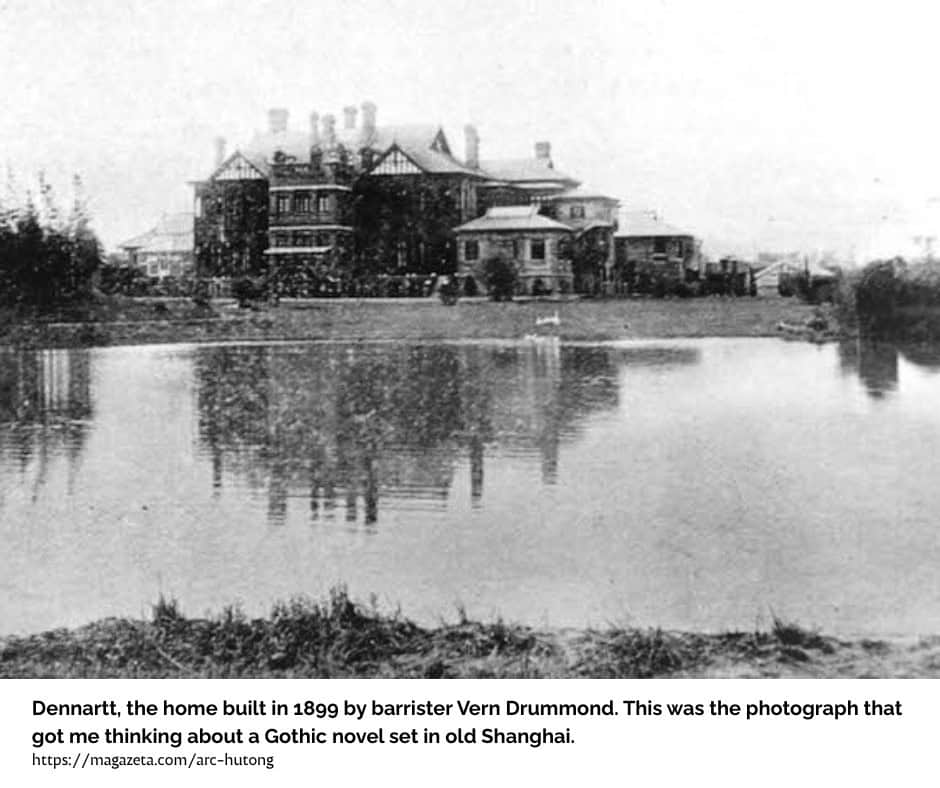
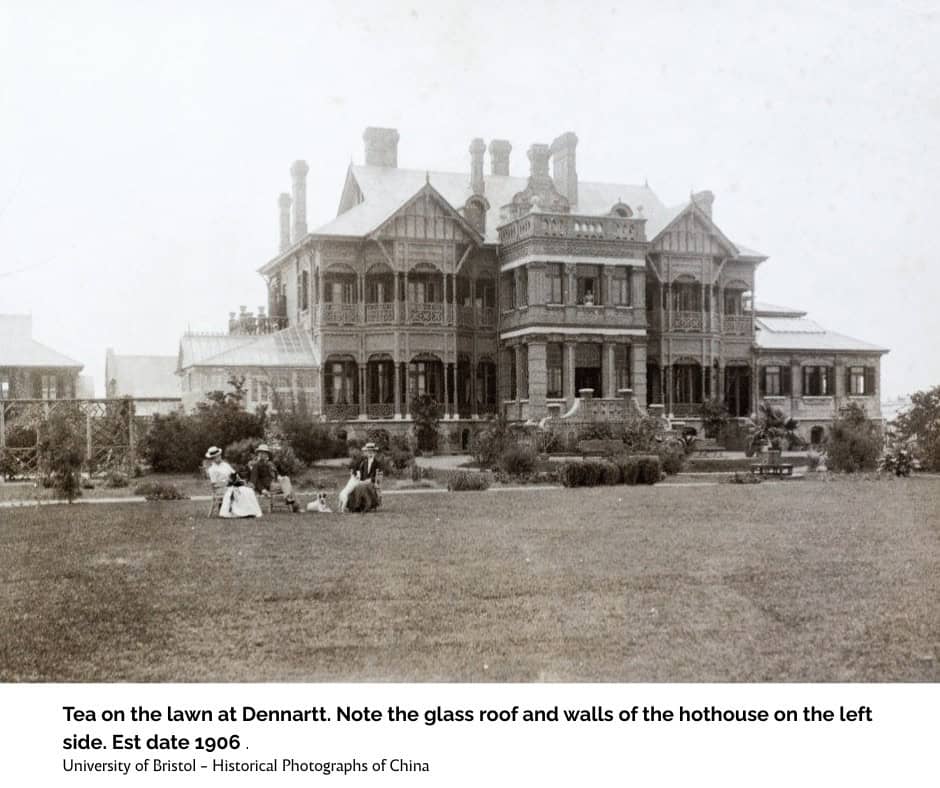
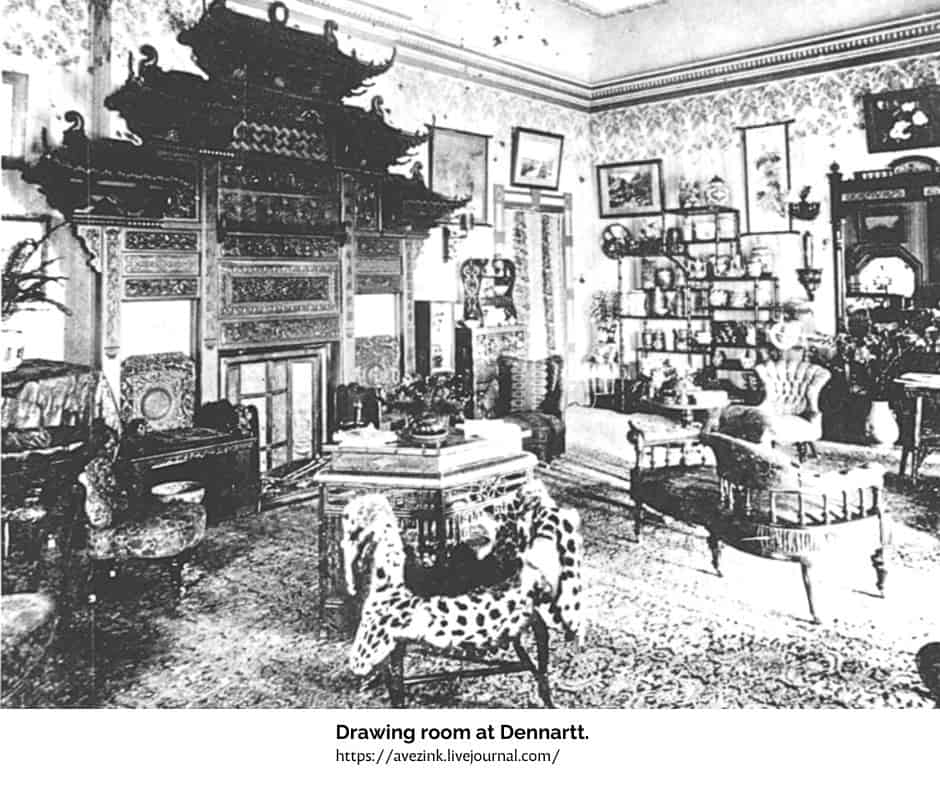
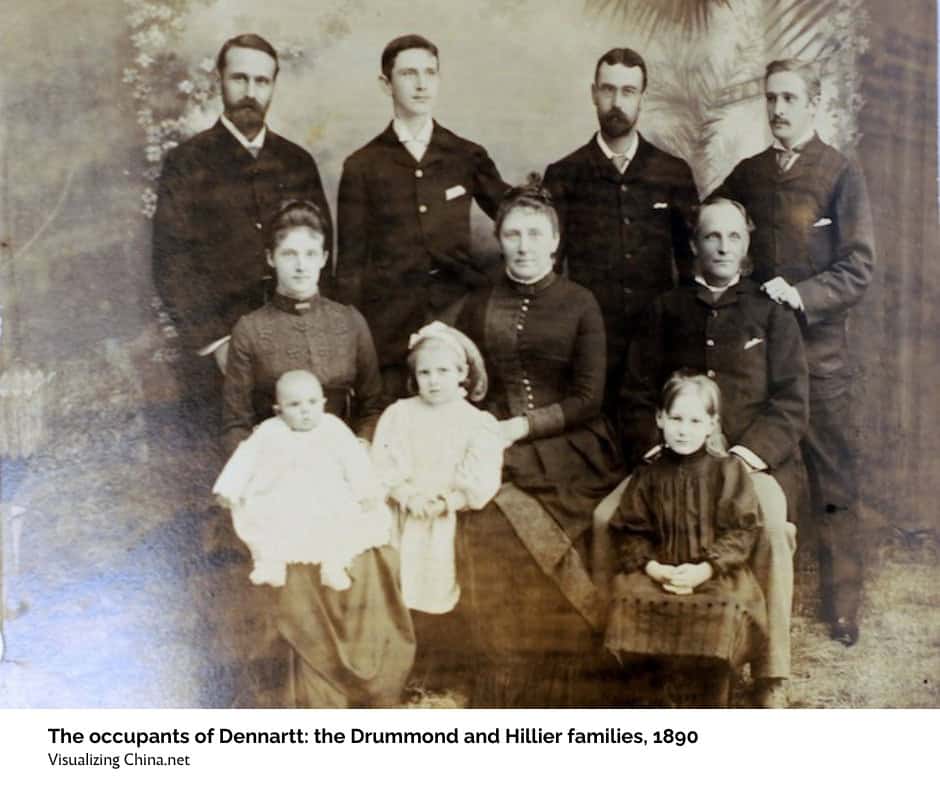
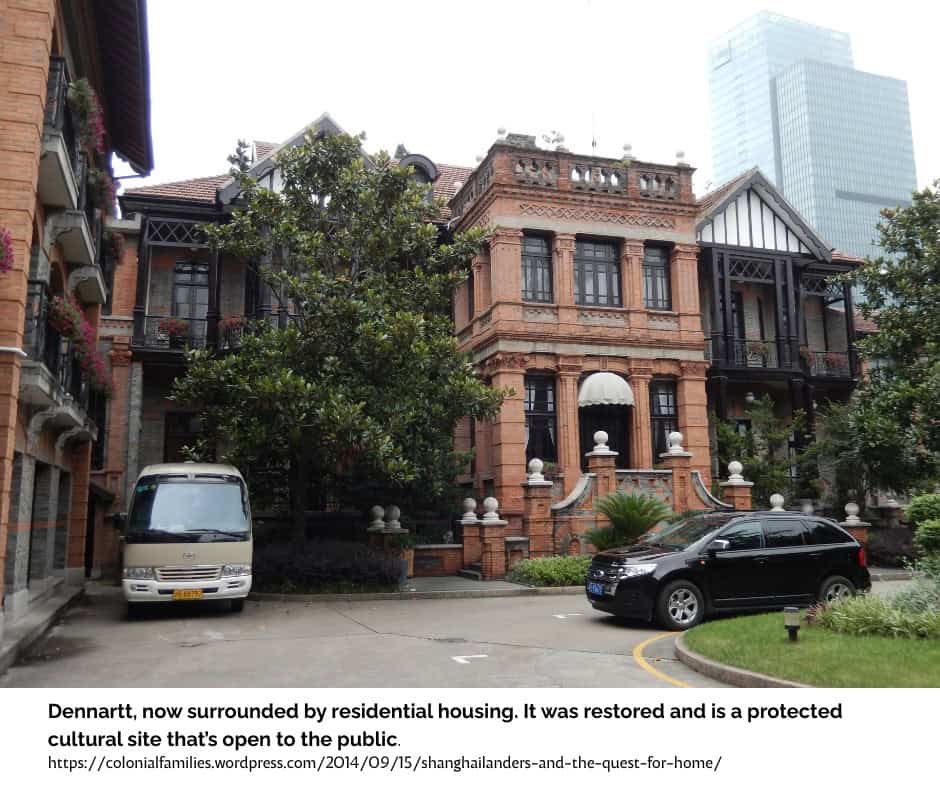
Gothic novels tend to feature crumbling estates in a European location, surrounded by moors or isolated from the nearest town. Asian settings are rare. But the pre-war mansions of Shanghai made the prospect of writing a Gothic novel set in China an irresistible challenge, especially when I saw a photo of Dennartt, the magnificent home built in 1899 by English barrister William Drummond for his family. The fictional Lennox Manor is a far less attractive residence, but the size of the estate and the interiors - a mix of European and Asian decor - are borrowed from Dennartt.
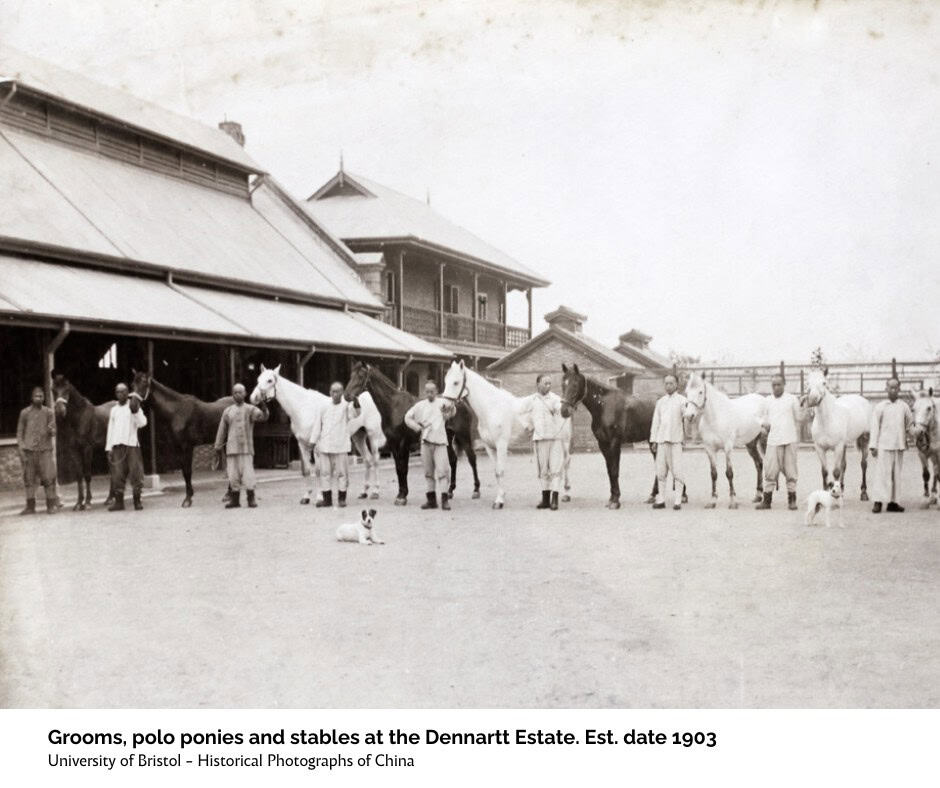
Drummond arrived in China in the 1860s and ended up living in Shanghai until his death in 1915. His clients included members of the Chinese royal court and both Chinese and foreign elite. Dennartt comprised a spacious garden with a pond, stables for polo ponies, and a hot house. A few years after Drummond died his widowed auctioned off the property and its contents, which included "custom-made cherrywood furniture, Egyptian wall hangings, Japanese porcelain, Burmese teak cabinets, English crystal, Indian curtains and vases, Chinese carved screens, bronze candlesticks, and tea sets."
Mansions and Villas of Shanghai
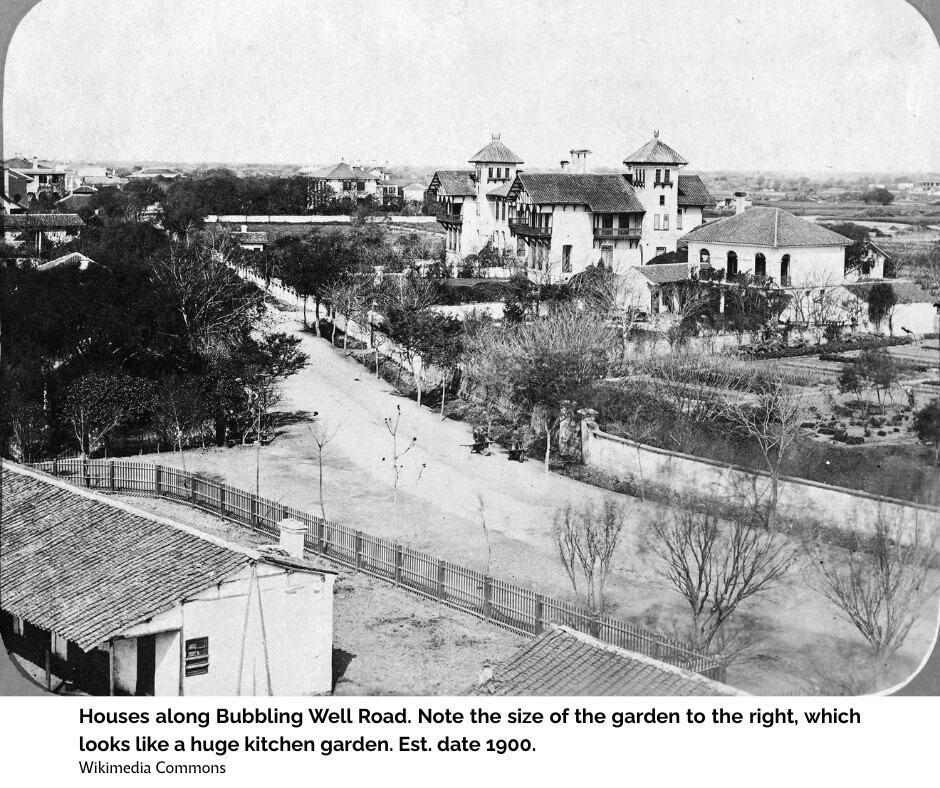
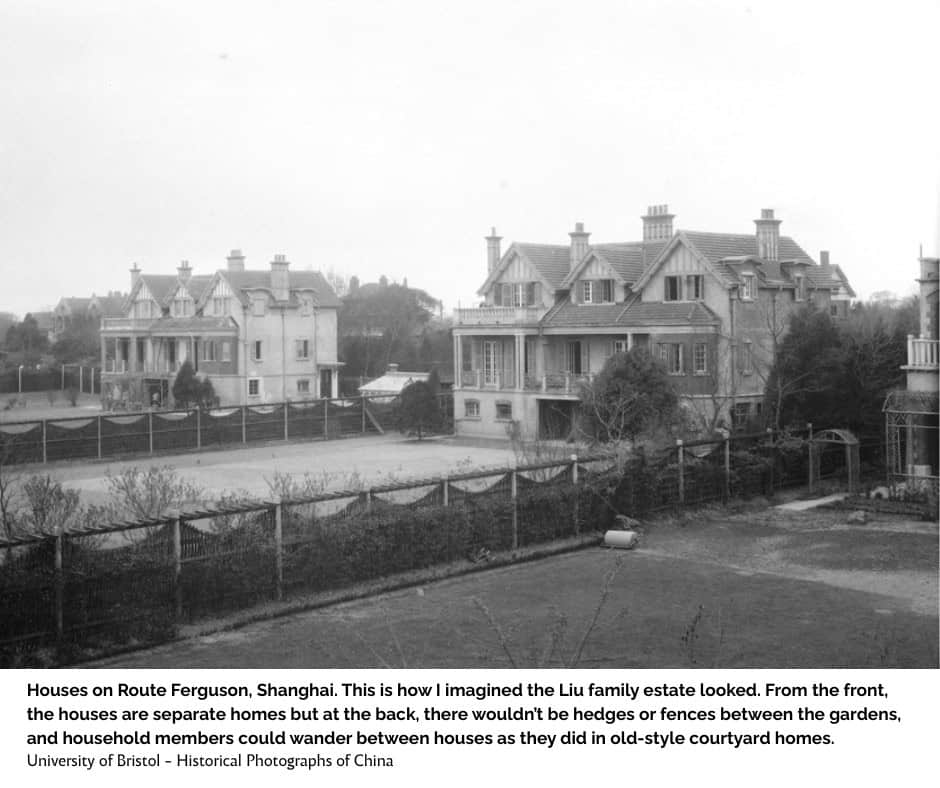
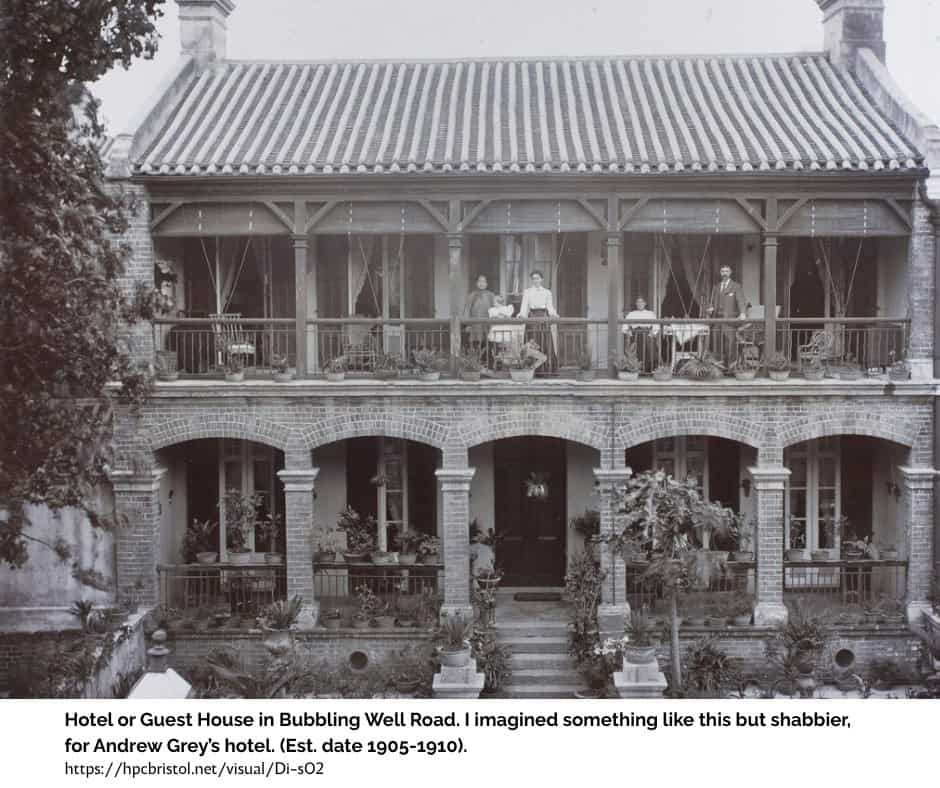
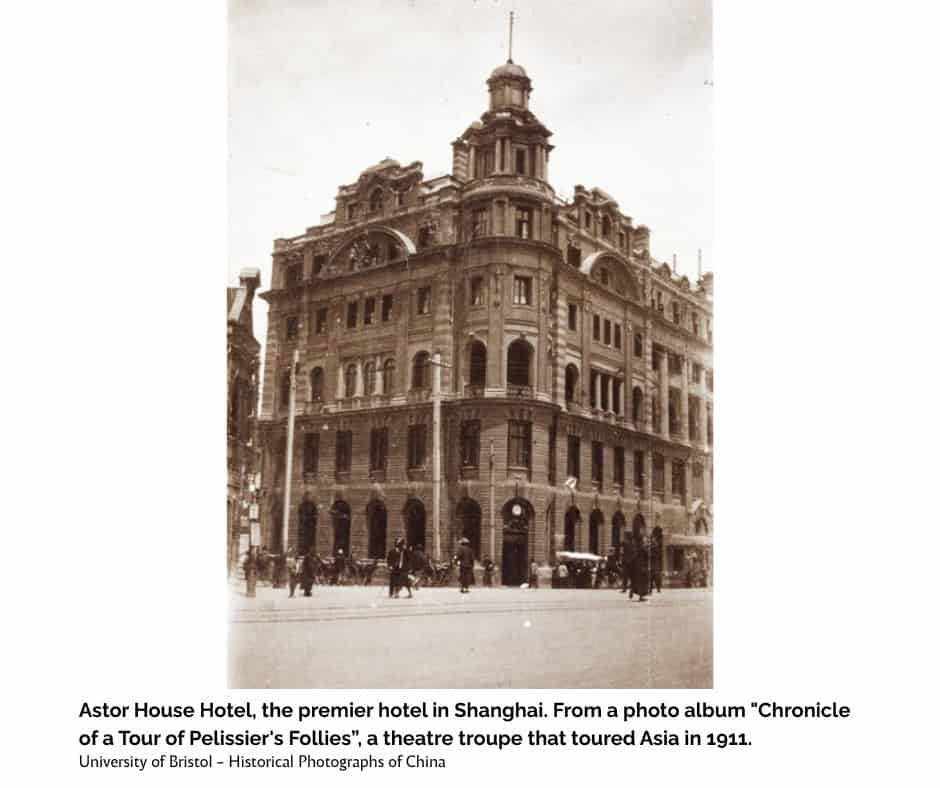
The Shanghai International Settlement was first established after the Opium War of 1839, when five Chinese cities, including Shanghai, were forced to open their ports to foreign commerce. Businesses, families, and churches moved to Shanghai and those who were positioned to take advantage of the change became extremely prosperous. The wealthy, both Chinese and foreign, hired architects to build palatial homes that proclaimed their success. Dennartt was not the only lavish property - some urban estates were as large as 10 acres in size. Here are some images of those homes.
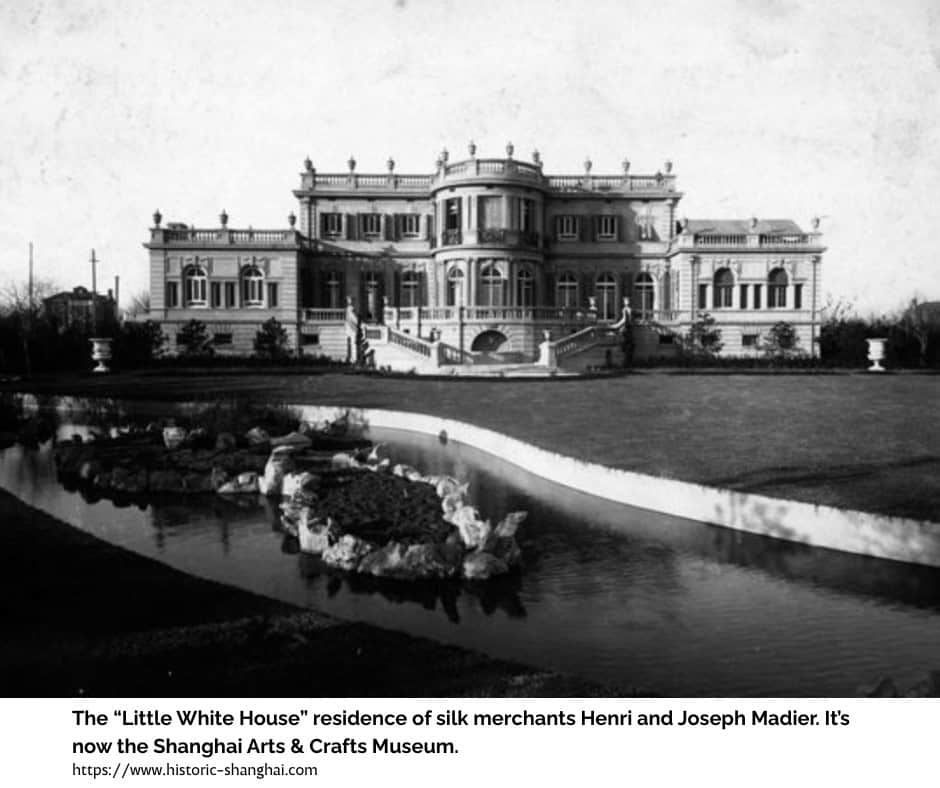
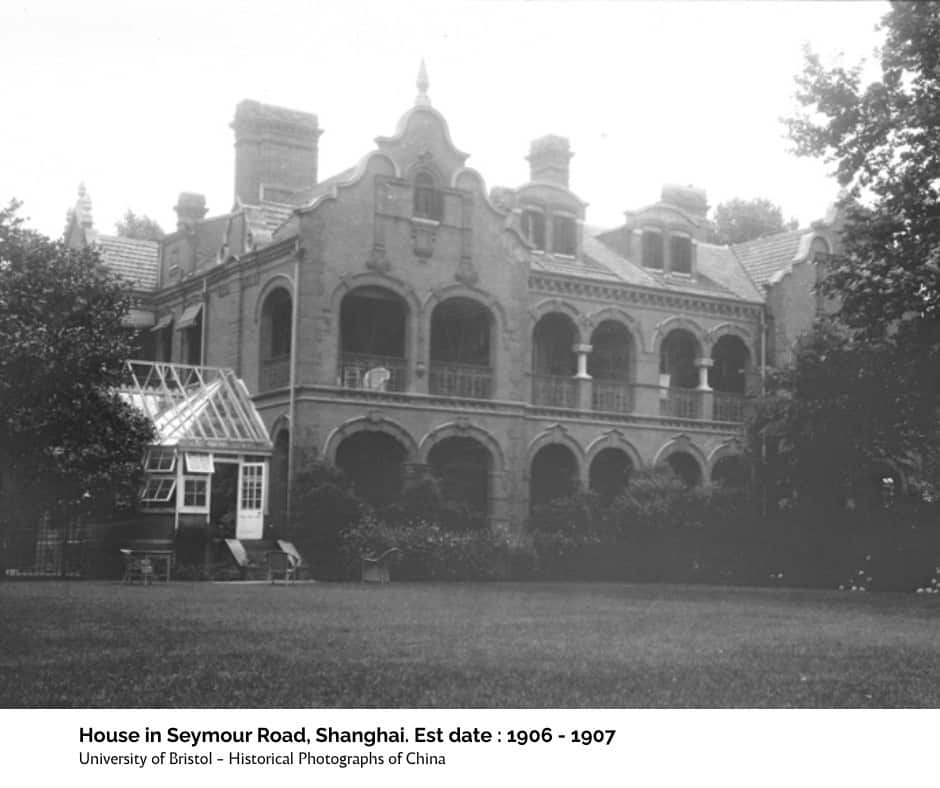
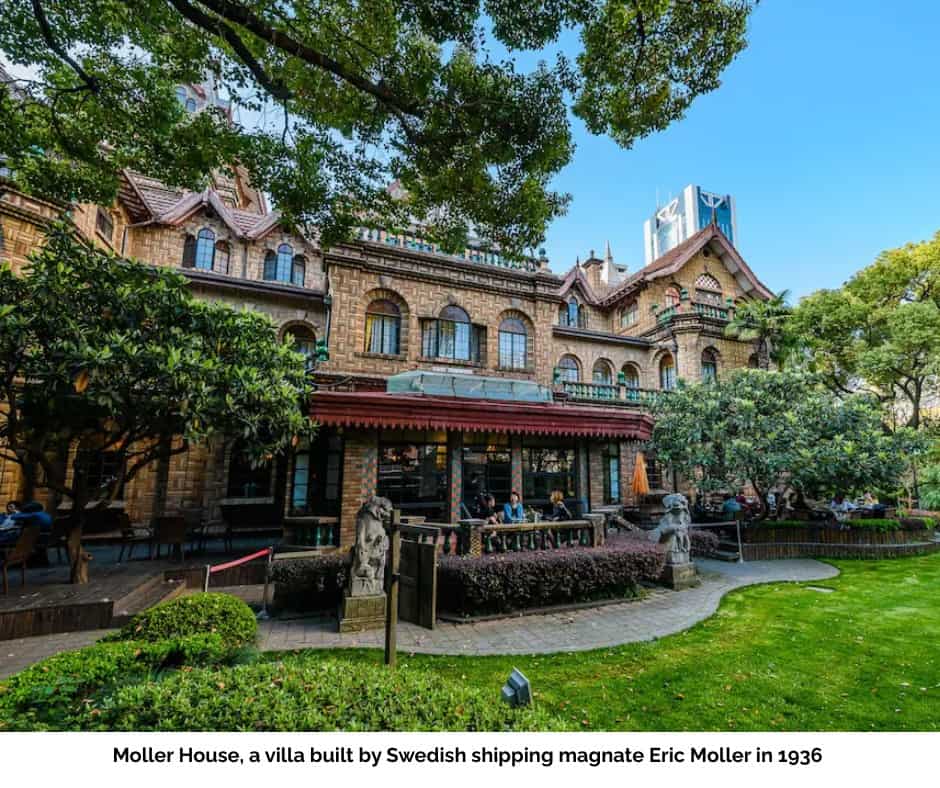
Shanghai Street Scenes
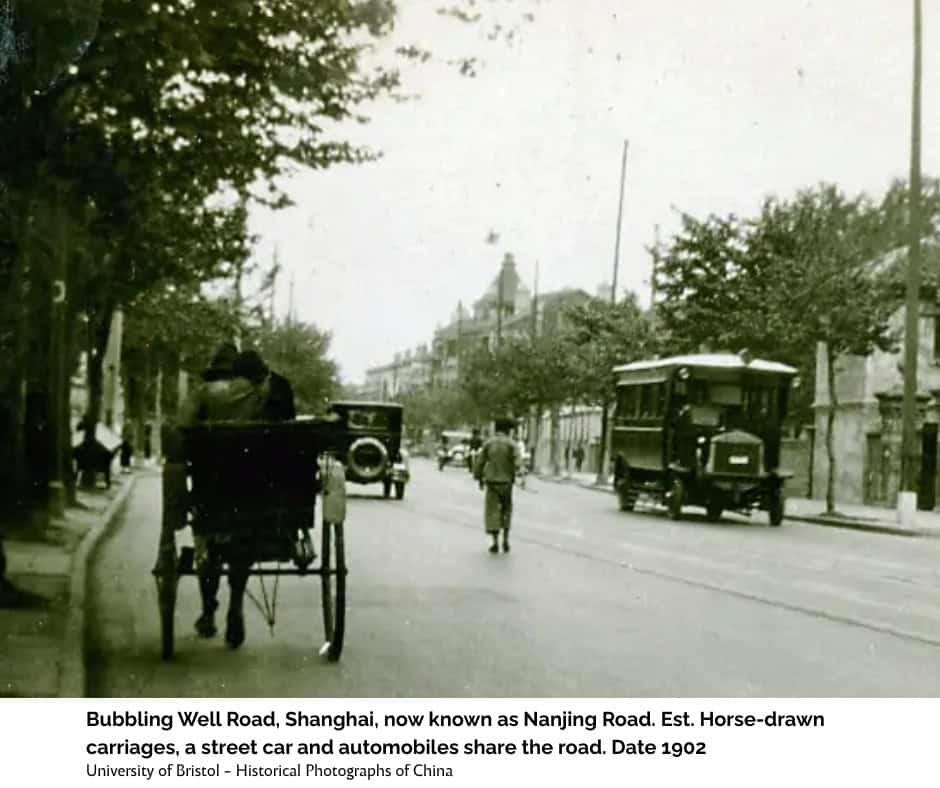
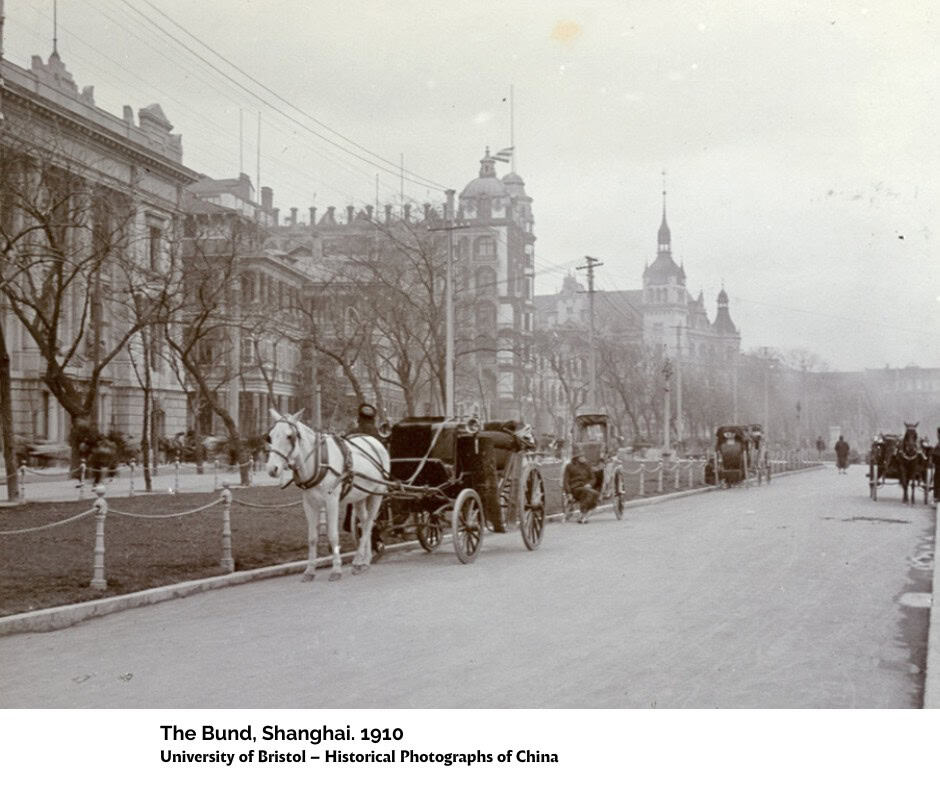
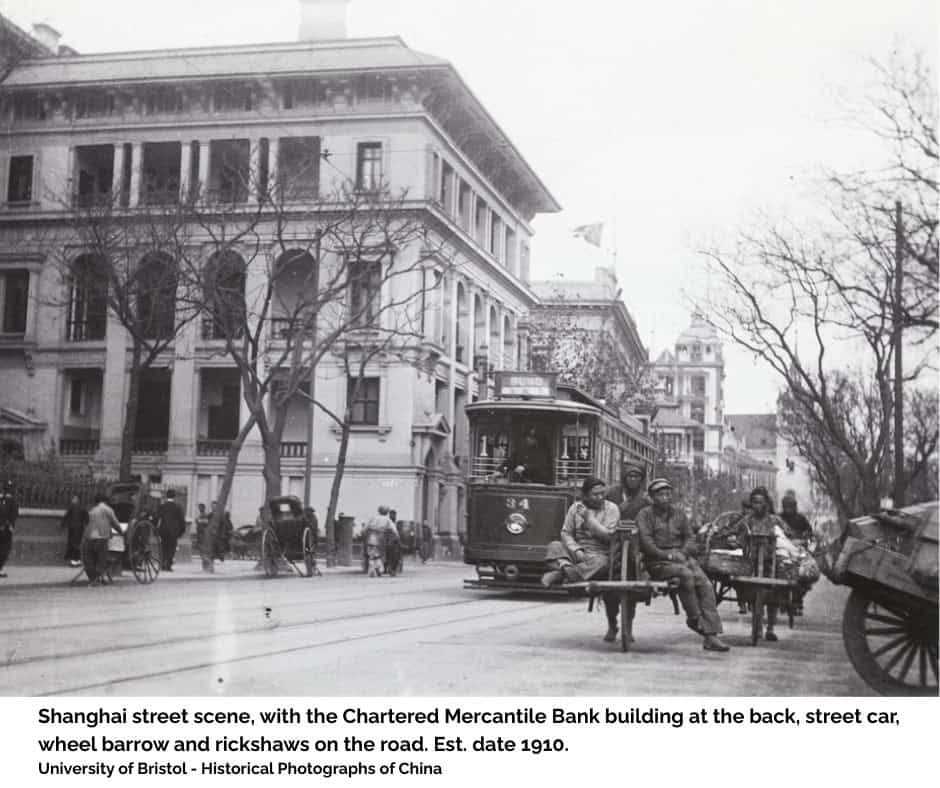
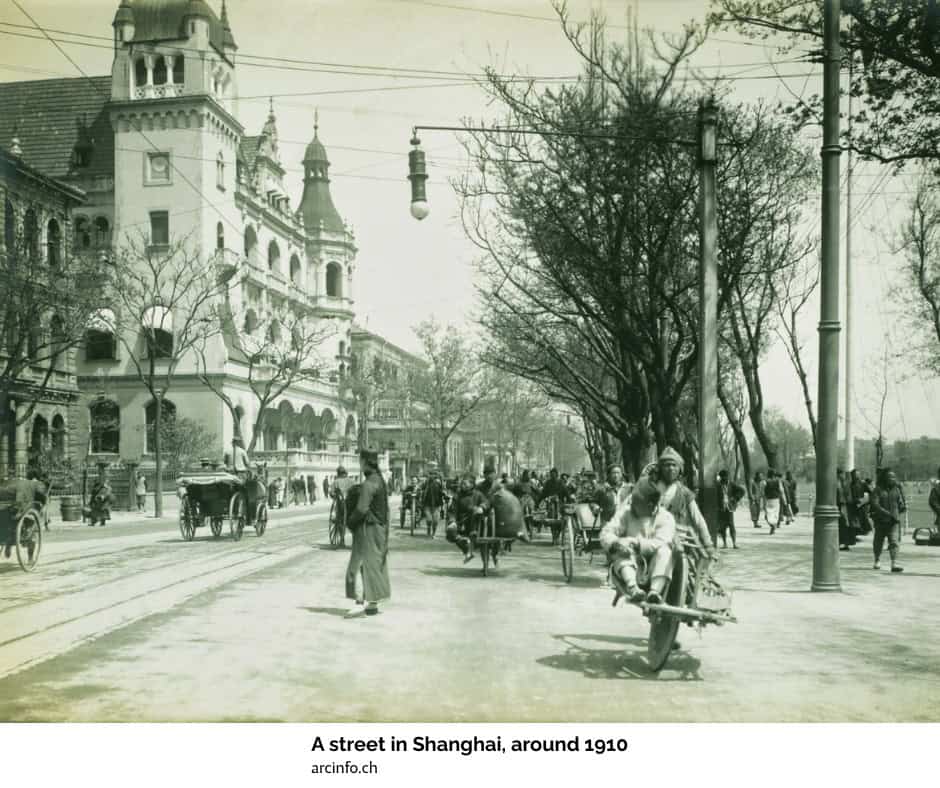
In 1901, two Oldsmobile cars were imported to Shanghai. From then on, cars became increasingly popular, and in 1910 there were enough vehicles in Shanghai that a large automotive repair shop and garage opened. In the novel, Master Liu has a weakness for foreign automobiles and imports them more as a hobby than a business. Shanghai drivers shared the road with street cars, horse carriages, rickshaws, and Chinese-style wheelbarrows -- street scenes that Caroline found fascinating.
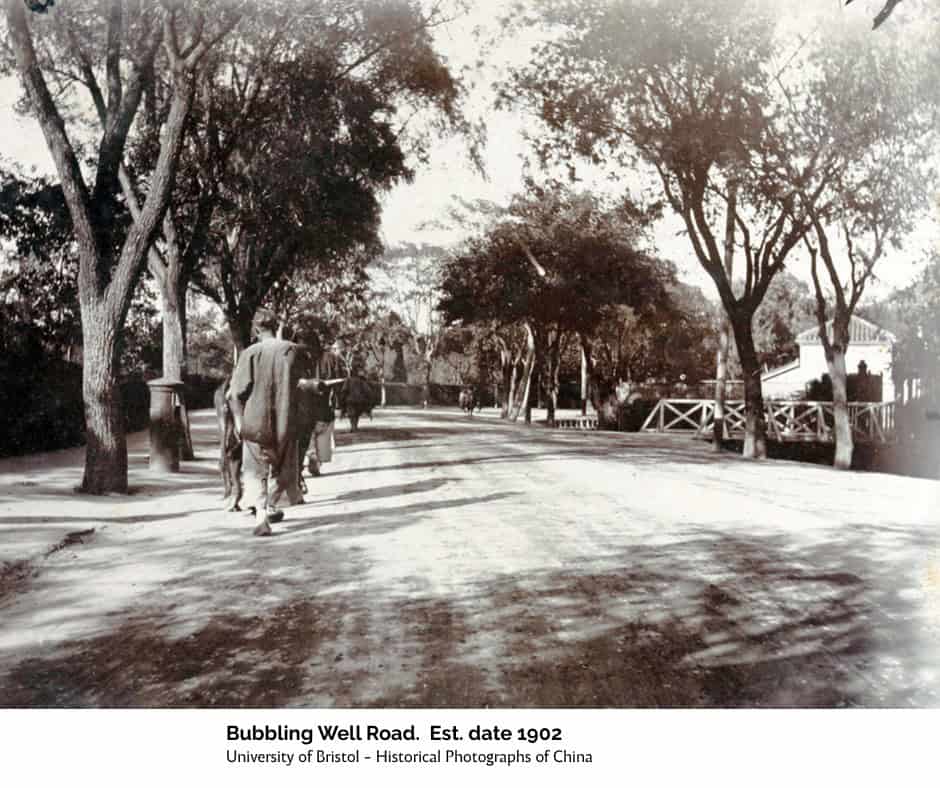
A Scandalous Princess
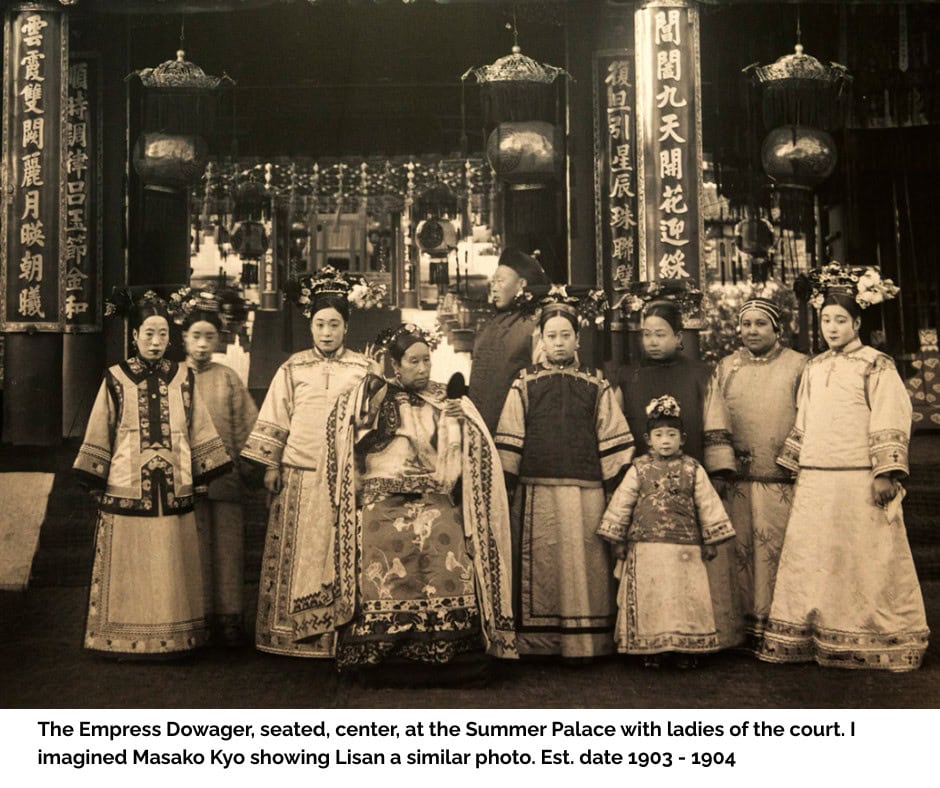
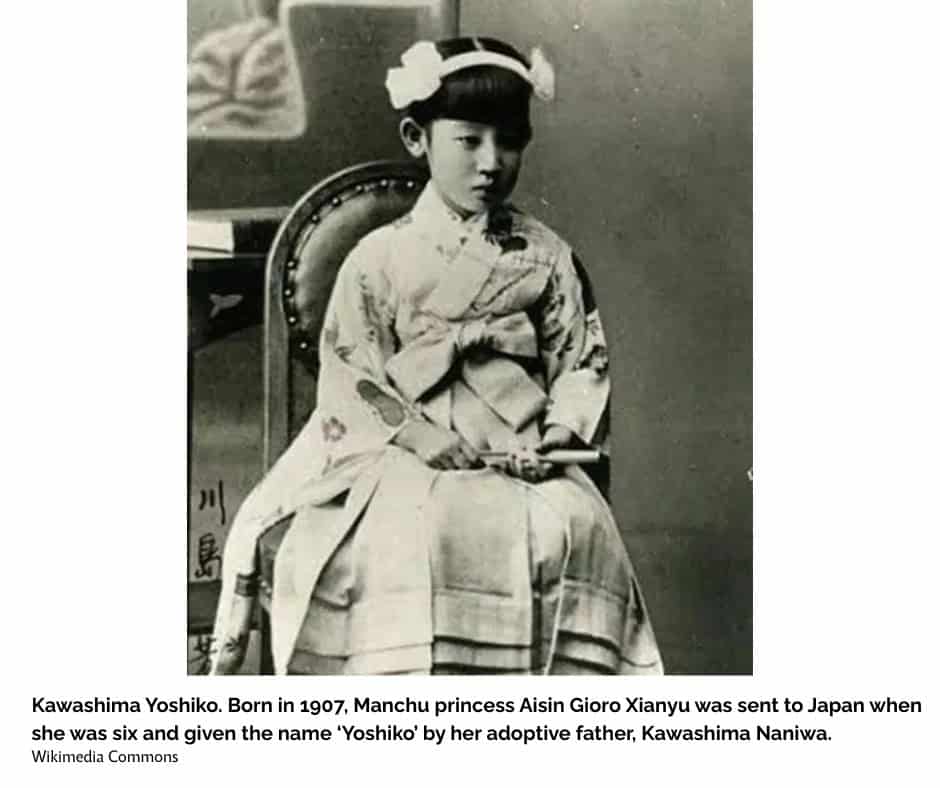
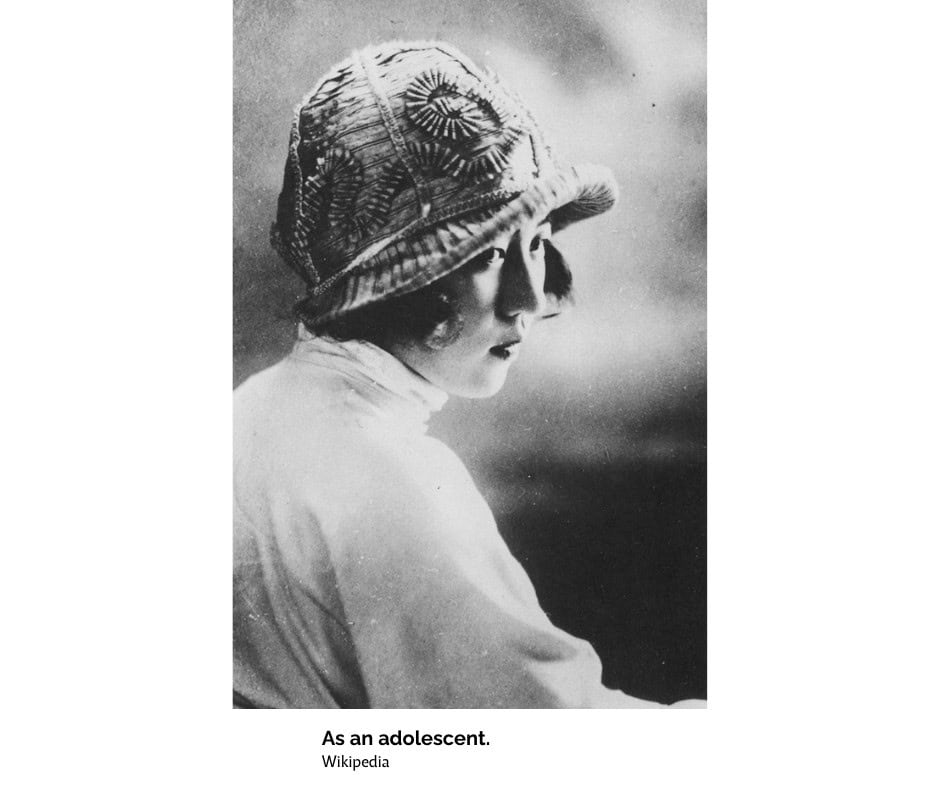
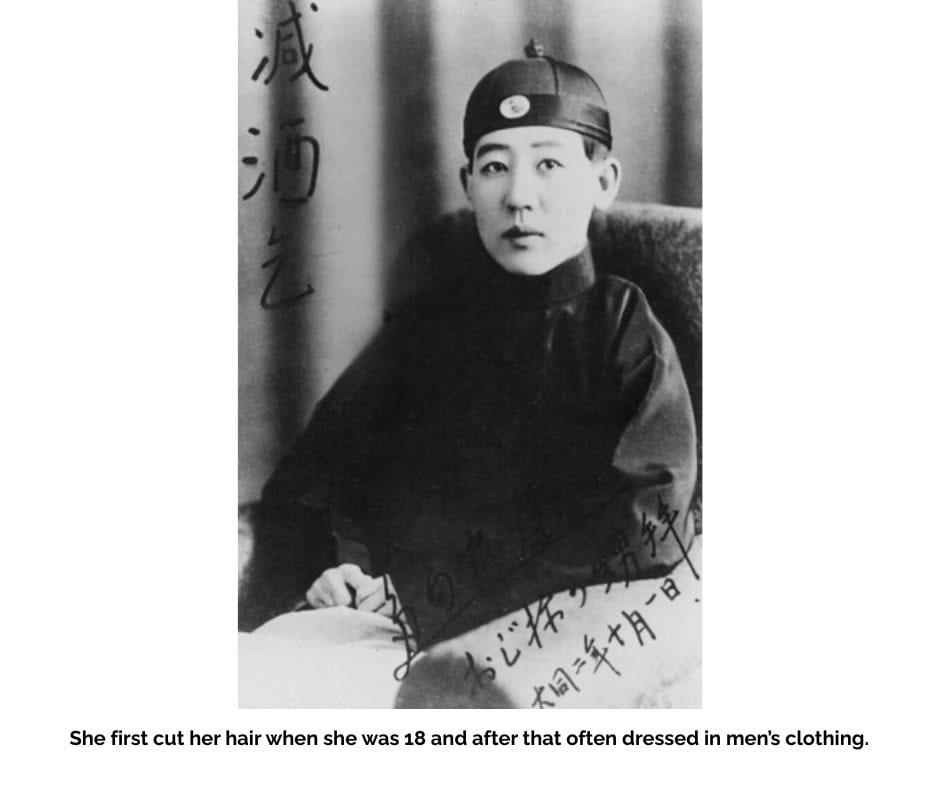
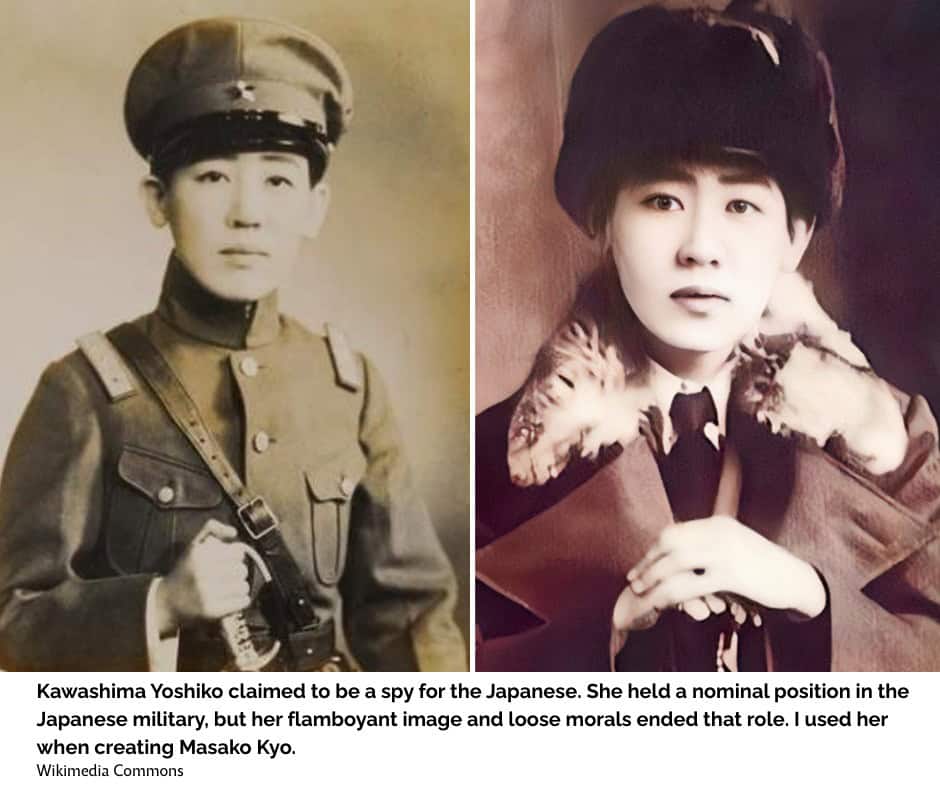
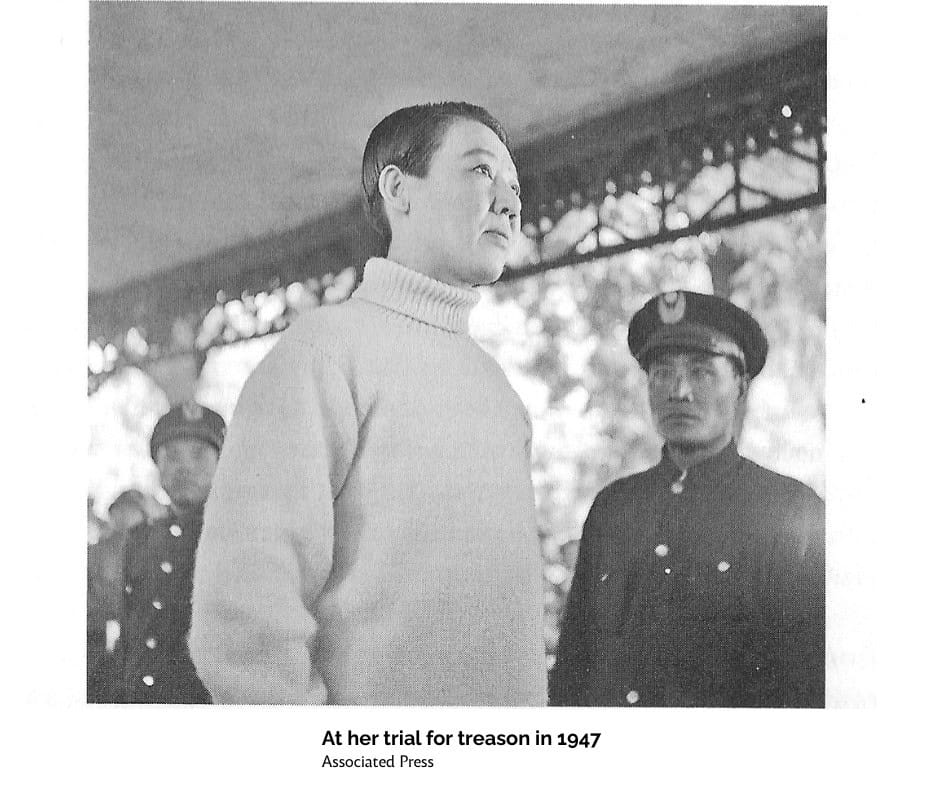
Princess Masako Kyo is a fictional character. She is based on the real-life princess Kawashima Yoshiko, who was only a child during the timeline of THE FOURTH PRINCESS. But she was such an extraordinary person that I had to borrow some aspects of her life for the novel.
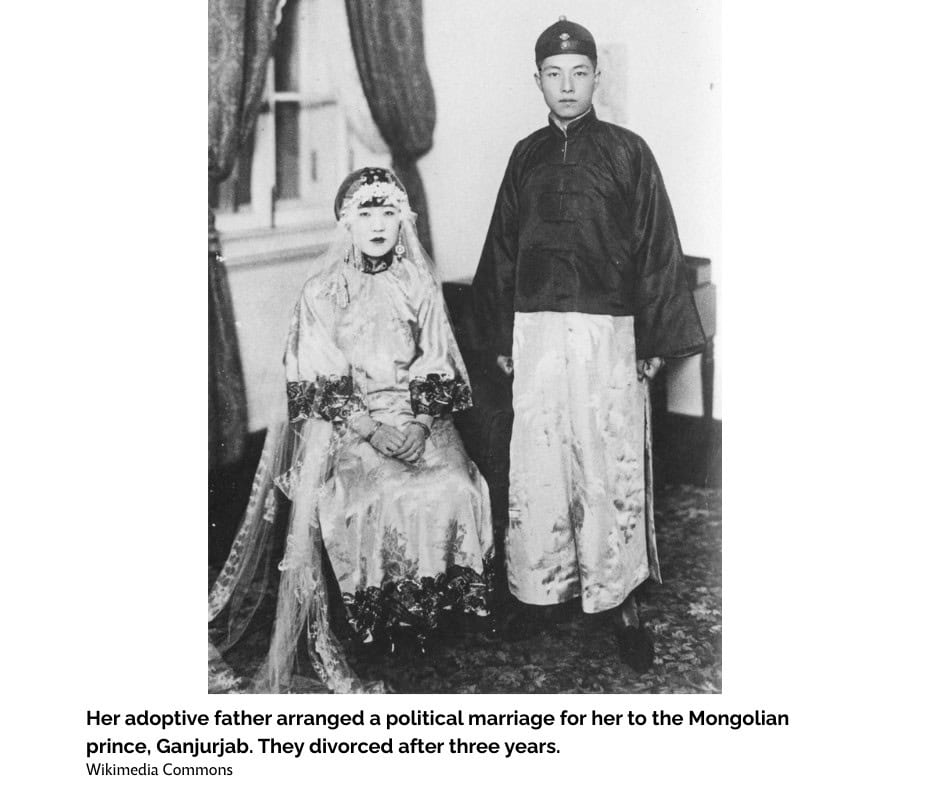
Yoshiko was born Aisin Gioro Xianyu, a Manchu princess of the royal Aisin-Gioro clan. Her father gave her to his friend Kawashima Naniwa to raise in Japan; her adoptive father gave her the name 'Yoshiko'. Although her adoptive father arranged a marriage for her with a Mongol prince when she was 20, as befit her rank, she divorced her husband after three years. She exhibited attention-seeking behaviour as an adult, had many lovers, and enjoyed dressing in men's clothing. During the Sino-Japanese War, she took Japan's side and claimed to have been a spy and an officer of the Japanese Army. In fiction, she has been depicted as "the Eastern Mata Hari" and nicknamed "Joan of Arc of Manchukuo" in Japanese propaganda. After the Second World War, she was captured and executed as a traitor by the Chinese Nationalist government.
People
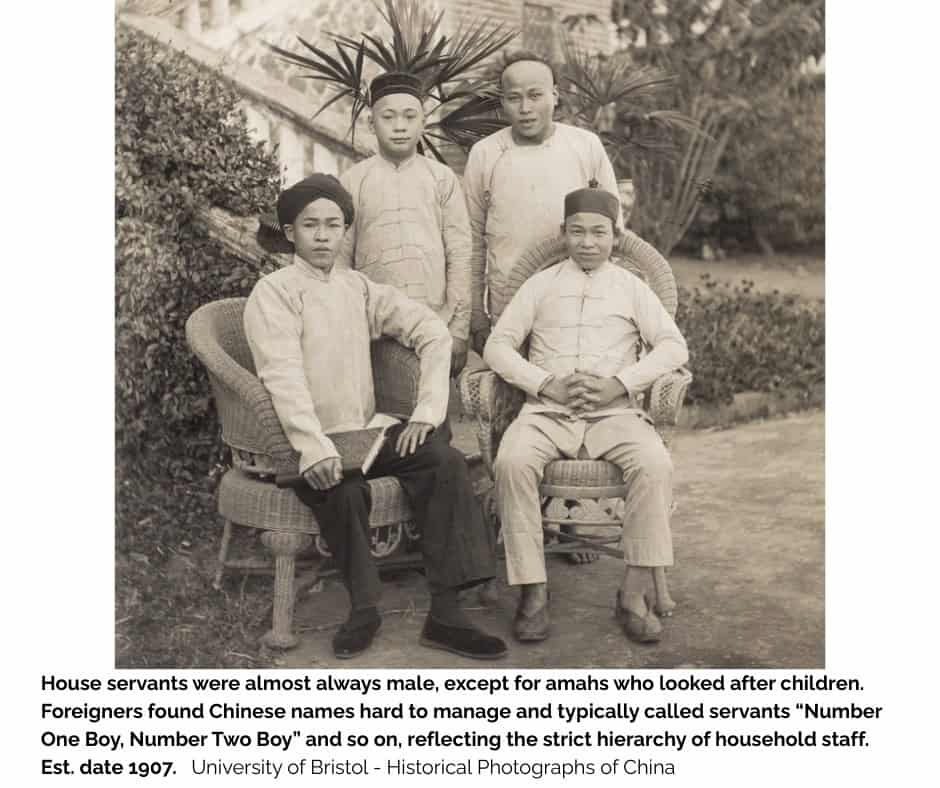
A miscellaneous collection of images.
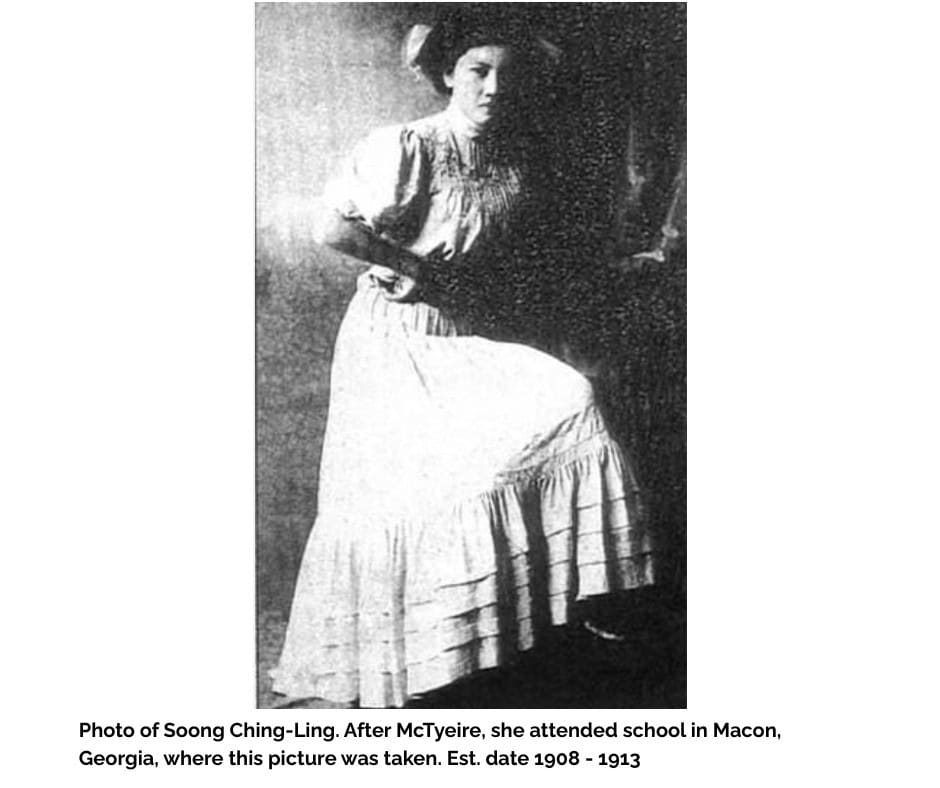
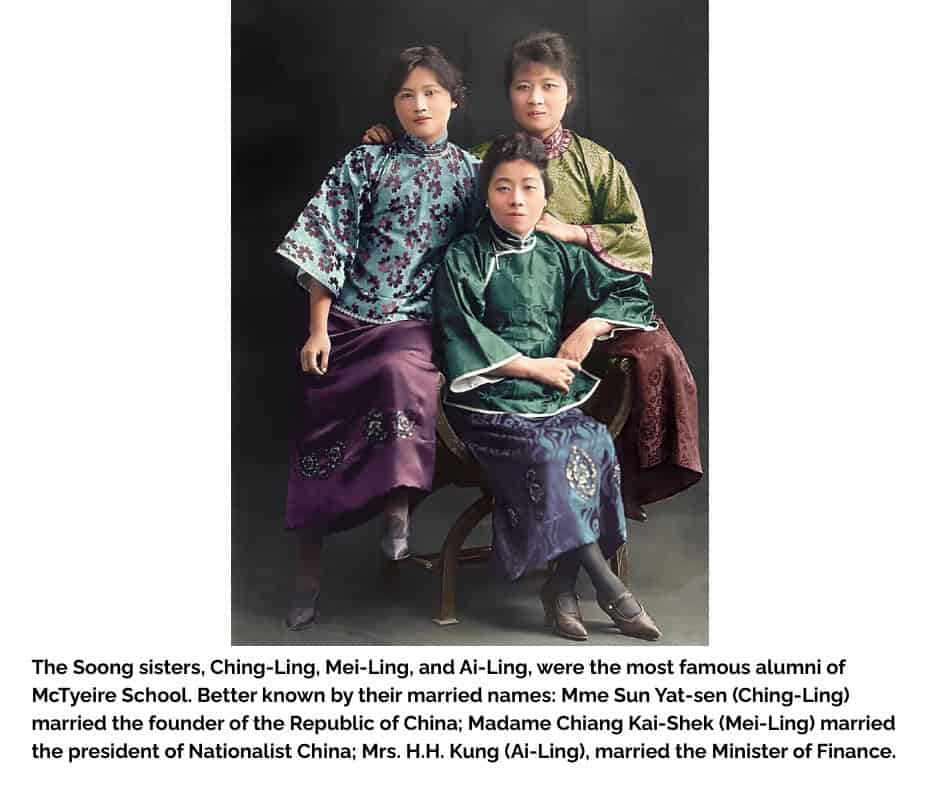
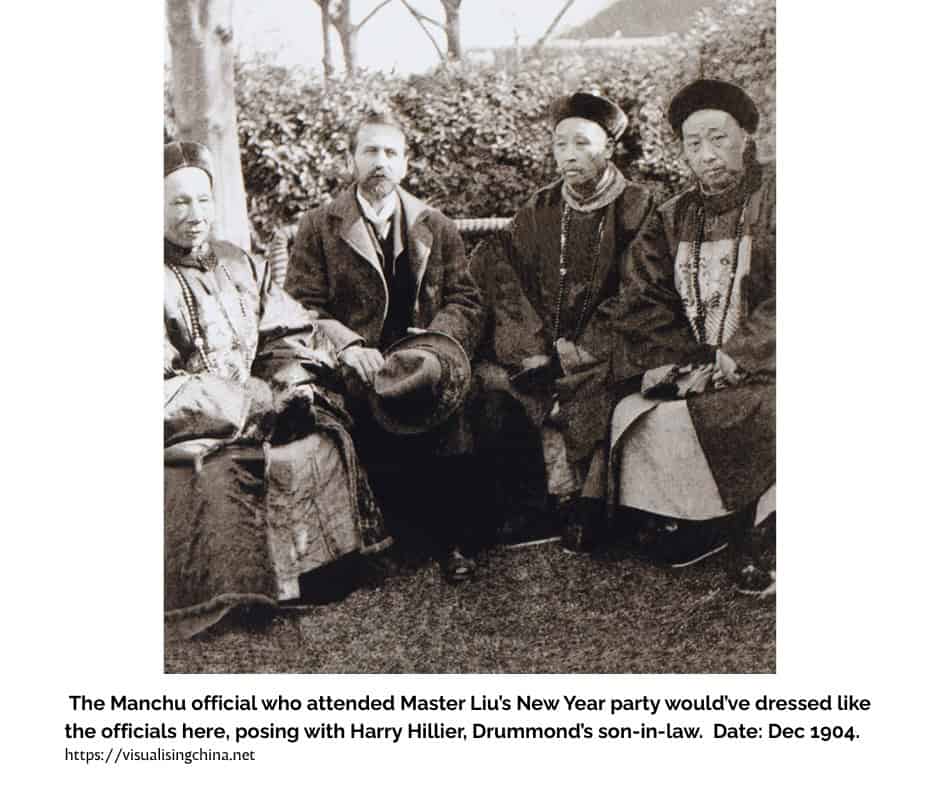
Of particular note are the Soong sisters, who attended McTyeire School, established by missionaries for daughters of wealthy Chinese families. Lisan's fictional school is modeled after McTyeire. These sisters were the most famous alumni of the school, due to their marriages and the influence they wielded over their powerful husbands. After graduating from McTyeire, the sisters attended Wesleyan College in Macon, Georgia.
Soong Ching-Ling married Dr. Sun Yat-Sen, revered by both the Communists and Nationalists as the "Father of Modern China". Soong Ai-Ling married H.H. Kung, who became Minister of Finance under the Nationalist government led by Chiang Kai-shek. Soong Mei-Ling married Chiang Kai-Shek, military and political leader of Nationalist China, first president of the Republic of China (Taiwan). As First Lady, and with her fluent English, she often acted as spokesperson for her husband and won support for China from Western nations.